Many men and women believe fitness means spending endless hours in the gym. This is a fitness misconception. While the gym is a tool, it is not the full picture. Real fitness is a balanced lifestyle—including movement, nutrition, sleep, stress management, and recovery.
The misconception comes from media influence, celebrity culture, and misleading advertising. When people see transformation videos focused only on workouts, they assume “fitness = gym.” In reality, fitness is about long-term health, not just visible muscles.
Why Do People Conceive Fitness the Wrong Way?
Media Overexposure – Social media glorifies extreme workouts and ignores recovery, nutrition, and mental health.
Quick Fix Mindset – People want six-pack abs fast and assume gym-only training is the solution.
Lack of Education – Schools rarely teach practical health and fitness basics.
Peer Influence – Friends bragging about gym hours create pressure and false benchmarks.
Industry Marketing – Fitness brands push supplements and training plans that focus only on workouts.
Case Studies: Real-Life Motivation
Case Study 1: The Busy Professional
John, 35, thought spending 2 hours daily at the gym would make him fit. Instead, he felt exhausted, skipped meals, and gained fat. After shifting focus to balanced fitness—30 minutes of exercise, mindful eating, and 7 hours of sleep—he lost 18 lbs and improved his energy at work.
Lesson: Fitness is not about hours; it’s about consistency and balance.
Case Study 2: The Young Mother
Aisha, 29, believed she couldn’t be fit without gym access. With two kids and limited time, she felt discouraged. When she learned about everyday fitness habits—like home workouts, mindful walking, and eating balanced meals—she regained strength, lost belly fat, and boosted confidence.
Lesson: You don’t need a gym to be fit; fitness can fit into your lifestyle.
Case Study 3: The Senior Learner
Mr. Roy, 60, assumed fitness was “for the young” and that it required heavy lifting. With guidance, he started light yoga, daily walks, and better nutrition. Within six months, his blood pressure dropped, and he reported feeling younger and more energetic.
Lesson: Fitness is for everyone, at every age.
Final Thoughts
Fitness is not about punishing workouts or endless gym hours. It’s a real-life problem-solving lifestyle that balances exercise, nutrition, sleep, stress, and mindset.
When you stop believing the myths and start embracing the real fitness lifestyle, results become sustainable.
Your morning is the launchpad for your entire day. If you wake up rushed, dehydrated, or unfocused, chances are your fitness goals will slip away before you even get started. That’s why I believe you should practice healthy fitness habits in the morning—because they are the foundation of discipline, energy, and consistency.
In this guide, I’ll share the 10 best habits for getting fit, drawn from science, experience, and what really works in everyday life. These aren’t complicated or unrealistic—they’re simple, practical, and designed to solve problems like fatigue, lack of motivation, and inconsistency.
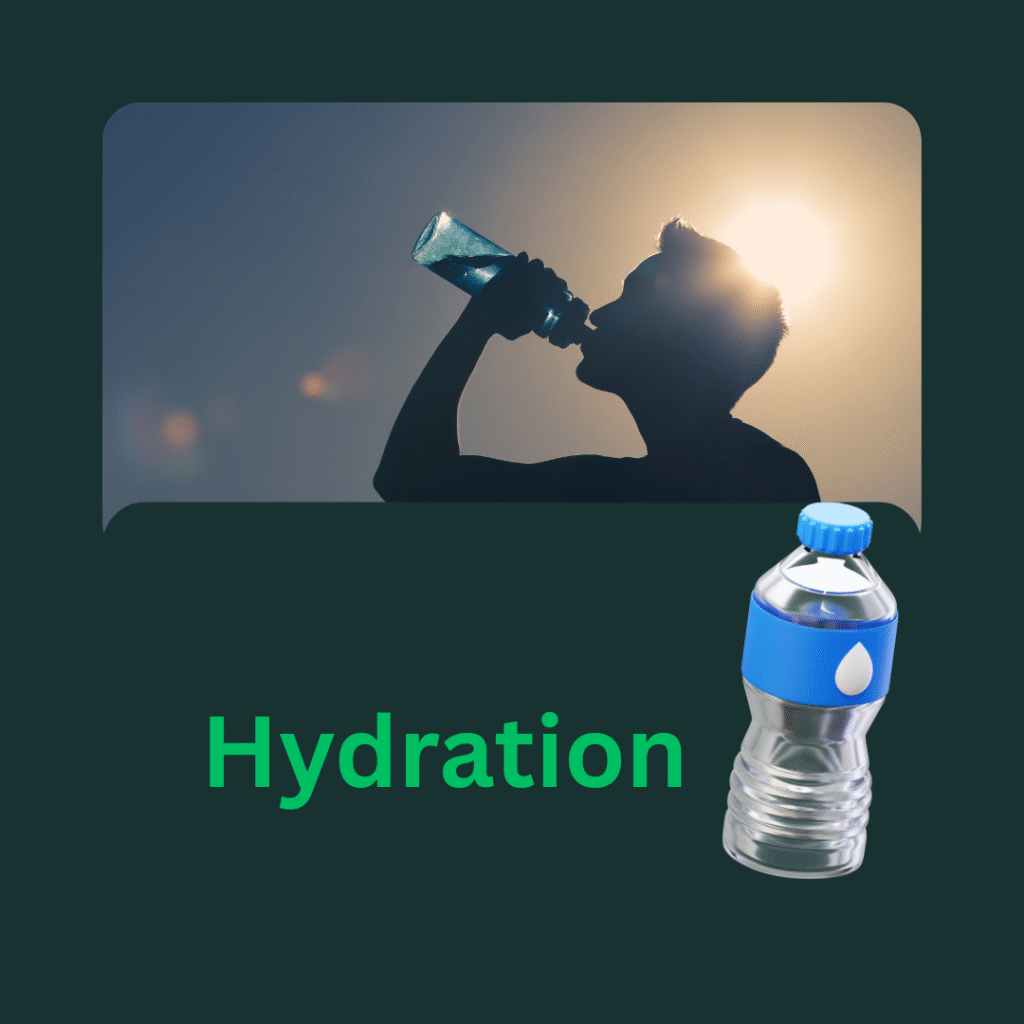
1. Start With Hydration
Your body wakes up in a state of dehydration. A tall glass of water, preferably with lemon or a pinch of salt, kickstarts digestion, metabolism, and energy.
Supports brain function.
Boosts metabolism.
Prepares your body for movement.
2. Stretch and Mobilize for 5 Minutes
I believe fit habits start small. Just 5 minutes of stretching—like cat-cow, hip openers, and shoulder rolls—improves flexibility, reduces stiffness, and prevents injuries.
3. Practice Mindful Breathing
Before checking your phone, spend 2–3 minutes on mindful breathing. This calms your nervous system, lowers stress, and sets your focus on fitness rather than distractions.
4. Fuel With Protein or Fast Smartly
Whether you eat breakfast or follow intermittent fasting, the key is intentional fueling.
Protein options: eggs, Greek yogurt, or a smoothie.
If fasting: stay hydrated with water and electrolytes.
This is one of the best habits for getting fit because it gives your body consistent energy without crashes.
5. Move Early, Even If It’s Small
Daily fitness habits don’t need to be extreme. A brisk 10-minute walk, a short jog, or bodyweight exercises like push-ups get your blood flowing and set the tone for an active day.
6. Journal Your Fitness Intentions
Writing down your fitness goals, gratitude, or even a simple to-do list sharpens your mindset. Research shows people who journal or visualize are more likely to stick with workouts and nutrition.
7. Limit Technology First Thing
Scrolling on your phone kills momentum. Replace 15 minutes of screen time with stretching, reading, or preparing your meals. These healthy fitness habits build self-discipline and mental clarity.
8. Plan Your Meals Ahead
Morning is the perfect time to plan what you’ll eat later. Prepping healthy snacks or setting your meal schedule reduces the chances of giving in to junk food cravings.
9. Step Into Sunlight
Exposure to natural sunlight in the morning improves mood, regulates circadian rhythm, and boosts Vitamin D. Even 5–10 minutes outside can lift your energy and sharpen focus.
10. End With Gratitude or Reflection
End your morning routine with a gratitude habit. Reflecting on what you’re thankful for shifts your mindset from stress to strength—and helps you sustain thesefit habits long-term.
Build Consistency, Not Perfection
Fitness isn’t built in one workout or one meal—it’s built in the small, repeated actions that shape your mornings. These 10 morning habits for fitness are simple but powerful tools to transform your health, discipline, and mindset.
I believe anyone can practice these habits, regardless of age or fitness level. Start with one, then stack others until they become part of your lifestyle.
Maintaining a balanced diet is a cornerstone of sound health and fitness, particularly for individuals aged 20 to 55. This phase of life is pivotal, marked by active lifestyles, career responsibilities, and the need to stay physically and mentally fit. A well-planned diet not only fuels your body but also enhances immunity, mental clarity, and overall quality of life.
Here’s a comprehensive guide to crafting a balanced diet tailored for adults in this age range.
What Is a Balanced Diet?
A balanced diet provides your body with the essential nutrients in the right proportions. It includes carbohydrates, proteins, fats, vitamins, minerals, and water while limiting excess calories, sugars, and processed foods.
A balanced diet is a scientifically structured way of eating that provides the body with the right proportions of essential nutrients—carbohydrates, proteins, fats, vitamins, minerals, fiber, and water—necessary to sustain energy, support growth, strengthen immunity, and maintain overall health. It emphasizes variety, moderation, and adequacy by combining diverse food groups in appropriate amounts to meet the body’s daily nutritional needs without excess or deficiency.
Core Components of a Balanced Diet
1. Carbohydrates: The Primary Energy Source
Why Important: Carbohydrates are the body’s main fuel source, especially for active individuals.
Sources to Include: Whole grains (brown rice, quinoa, oats), legumes, sweet potatoes, and fruits.
Avoid: Refined carbs like white bread, pastries, and sugary cereals.
2. Proteins: Building Blocks for Muscles and Tissues
Why Important: Proteins repair and maintain tissues and are vital for muscle strength.
Sources to Include: Lean meats (chicken, turkey), fish (rich in omega-3s), eggs, dairy, nuts, seeds, lentils, and tofu.
Daily Intake: Aim for 0.8 to 1.2 grams of protein per kilogram of body weight, depending on activity levels.
3. Healthy Fats: Essential for Brain and Heart Health
Why Important: Fats regulate hormones, support cell function, and aid in the absorption of vitamins.
Sources to Include: Avocados, nuts, seeds, olive oil, fatty fish (salmon, mackerel), and flaxseeds.
Limit: Trans fats and saturated fats found in fried and processed foods.
4. Vitamins and Minerals: Micro Nutrients for Optimal Functioning
Key Vitamins:
Vitamin D: Supports bone health (sources: sunlight, fortified foods, fish).
Vitamin C: Boosts immunity (sources: citrus fruits, bell peppers).
Key Minerals:
Calcium and Magnesium: Strengthen bones and muscles.
Iron: Prevents anemia and supports oxygen transport in the blood.
5. Fiber: For Digestive Health
Why Important: A high-fiber diet promotes digestion, prevents constipation, and lowers cholesterol levels.
Sources to Include: Whole grains, fruits, vegetables, legumes, and seeds.
6. Water: The Elixir of Life
Why Important: Staying hydrated supports metabolism, detoxification, and temperature regulation.
Daily Intake: Aim for 8-10 glasses of water daily. Increase intake during physical activities or hot weather.
Dietary Tips for Specific Age Groups
For Ages 20–35:
Focus on building muscle mass and bone density.
Incorporate high-energy foods to meet an active lifestyle.
Avoid excessive caffeine and alcohol consumption.
For Ages 36–45:
Balance energy intake with physical activity to prevent weight gain.
Include antioxidant-rich foods to combat aging effects.
Prioritize gut health by consuming probiotics and prebiotics.
For Ages 46–55:
Reduce sodium intake to prevent hypertension.
Focus on heart-healthy foods like nuts, seeds, and oily fish.
Ensure adequate calcium and vitamin D for bone health.
Balanced Diet Sample Plan
Breakfast:
Oats cooked with almond milk, topped with berries and chia seeds.
A boiled egg or a handful of mixed nuts.
Mid-Morning Snack:
A piece of fruit (apple, orange) with a small handful of almonds.
Lunch:
Grilled chicken or tofu salad with quinoa, spinach, cherry tomatoes, and olive oil dressing.
A cup of yogurt or buttermilk.
Evening Snack:
A smoothie made with banana, spinach, flaxseeds, and low-fat yogurt.
Dinner:
Baked salmon or lentil stew, served with steamed broccoli, carrots, and brown rice.
Before Bed:
A warm glass of milk or chamomile tea with a pinch of turmeric.
Lifestyle Tips to Complement Your Diet
Stay Physically Active: Include at least 150 minutes of moderate exercise weekly.
Get Adequate Sleep: Sleep 7–9 hours nightly to rejuvenate your body.
Stress Management: Practice mindfulness, yoga, or meditation.
Regular Health Checkups: Monitor blood pressure, cholesterol, and glucose levels.
Common Diet Myths Debunked
Myth: Fats should be eliminated from your diet.
Fact: Healthy fats are essential for optimal health.
Myth: Skipping meals helps with weight loss.
Fact: Skipping meals can slow metabolism and lead to overeating later.
Myth: Supplements can replace whole foods.
Fact: Nutrients from whole foods are more bioavailable and effective.
Final Thoughts
A balanced diet for individuals is about making informed, sustainable food choices that nourish the body and support long-term fitness and health. By including a variety of nutrient-rich foods and maintaining an active lifestyle, you can enjoy vitality and resilience at every stage of life.
Your health is your greatest asset—invest in it wisely.
Anger is a natural human emotion that arises when we face frustration, disappointment, or injustice. While feeling anger is normal, managing it constructively is essential for maintaining healthy relationships, mental peace, and overall well-being. This article explores effective techniques to reduce anger for people of all age groups, focusing on practical steps, mindfulness, and emotional balance.
Understanding Anger
Anger can stem from various sources, such as unmet expectations, stress, or unresolved conflicts. Recognizing the triggers and understanding the underlying causes of anger are crucial steps toward managing it effectively. Ask yourself, “What is making me angry?” and “How can I respond constructively?”
The Effects of Uncontrolled Anger
Uncontrolled anger can lead to:
Strained relationships
Health problems like high blood pressure and heart issues
Poor decision-making
Negative impact on mental well-being
Managing anger is not about suppressing it but expressing it in a healthy and controlled manner.
Strategies to Reduce Anger
1. Pause and Breathe
When anger starts building, take a moment to pause. Practice deep breathing:
Inhale slowly for four counts.
Hold your breath for four counts.
Exhale slowly for six counts.
This simple technique calms the nervous system and helps you regain control.
2. Identify Triggers
Keep a journal to note situations that trigger your anger. Understanding patterns can help you anticipate and prepare for future scenarios, reducing the likelihood of an outburst.
3. Practice Mindfulness
Mindfulness involves being present in the moment without judgment. Techniques include:
Meditation: Spend 5-10 minutes daily in quiet meditation.
Body Scanning: Focus on each part of your body to release tension.
4. Communicate Effectively
Instead of reacting impulsively, express your feelings calmly. Use “I” statements to communicate:
This shift in perspective often reduces the intensity of anger.
7. Use Humor
Laughter can diffuse anger. Watch a comedy show, share a joke, or find a lighthearted way to address the issue.
8. Take a Break
Step away from the situation causing anger. A few minutes of solitude can help you process your emotions and return with a calmer mindset.
9. Develop Problem-Solving Skills
Identify the root cause of recurring anger. Work on finding solutions rather than dwelling on the problem.
10. Seek Support
Talk to a trusted friend, family member, or therapist about your feelings. Sometimes, sharing your thoughts with others provides relief and clarity.
Anger Management Tips for Specific Groups
For Children
Encourage open communication.
Teach them to label their emotions.
Use time-outs for self-reflection.
For Teens
Educate them on coping mechanisms like journaling.
Promote healthy outlets such as sports or creative activities.
For Adults
Incorporate relaxation techniques like progressive muscle relaxation.
Set boundaries to avoid stressful situations.
For Seniors
Engage in hobbies and social activities to reduce loneliness and frustration.
Practice gratitude by focusing on positive aspects of life.
Lifestyle Changes for Long-Term Anger Management
Maintain a Healthy Diet Foods rich in omega-3 fatty acids, magnesium, and antioxidants can help stabilize mood.
Get Adequate Sleep Poor sleep can increase irritability. Aim for 7-9 hours of restful sleep each night.
Limit Alcohol and Caffeine These substances can exacerbate anger. Opt for herbal teas or water instead.
Practice Gratitude Daily gratitude exercises foster a positive outlook, reducing the likelihood of anger.
When to Seek Professional Help
If anger feels overwhelming or leads to destructive behavior, seek professional guidance. Anger management therapy and counseling can help address deeper issues and provide coping strategies.
Wrapping up
Anger is a powerful emotion that, when managed effectively, can lead to personal growth and better relationships. By practicing these strategies, you can transform anger into a force for positive change. Remember, it’s not about eliminating anger but learning to respond to it constructively.
According to the National Alliance on Mental Illness (NAMI), individuals who engage in anger management programs report a 75% improvement in interpersonal relationships and stress levels.
Fitness and wellness are two sides of the same coin, deeply intertwined and equally essential for a balanced, healthy life. While fitness focuses on physical strength and stamina, wellness encompasses mental, emotional, and social well-being. Together, they create the foundation for a vibrant and productive life.
This article explores their connection, practical ways to achieve both, and the potential consequences of neglecting them. Let’s dive in.
What Is Fitness and Wellness?
Fitness refers to the ability to perform physical activities with energy and strength. It involves endurance, flexibility, cardiovascular health, and muscle strength. A fit body supports daily tasks and boosts overall confidence.
Wellness is a broader concept. It includes physical, mental, emotional, and social health. It’s about making choices that lead to a balanced, fulfilling life.
The Interconnection Between Fitness and Wellness
Fitness and wellness feed into each other. For instance:
Regular exercise releases endorphins, improving mental health and reducing stress.
A well-nourished, rested body performs better physically and emotionally.
Improved fitness levels often lead to better sleep, enhanced mood, and reduced anxiety.
Statistics support this connection:
Mental Health Foundation reports that 30 minutes of exercise, three times a week, can reduce depression by 47%.
According to the CDC, physically active adults are 30% less likely to experience chronic diseases, which directly impacts overall wellness.
How to Achieve Fitness and Wellness
Here’s a practical guide to balance fitness and wellness:
1. Prioritize Regular Exercise
Aim for 150 minutes of moderate aerobic activity per week, as per WHO guidelines.
Mix cardio, strength training, and flexibility exercises.
Even simple activities like walking or yoga can significantly boost mental and physical health.
2. Nourish Your Body
Focus on a balanced diet with whole foods, lean proteins, healthy fats, and plenty of fruits and vegetables.
Stay hydrated by drinking at least 2 liters of water daily.
3. Embrace Mental Wellness Practices
Practice mindfulness or meditation for 10 minutes daily.
Journal your thoughts to reduce stress and increase self-awareness.
Seek social connections to nurture emotional health.
4. Get Quality Sleep
Adults need 7-9 hours of sleep for optimal recovery.
Create a sleep-friendly environment: dim lights, a cool room, and no screens before bed.
5. Avoid Toxic Habits
Limit alcohol and caffeine intake.
Quit smoking and minimize exposure to unhealthy environments.
What Happens If Fitness and Wellness Are Neglected?
Neglecting fitness and wellness can lead to a host of issues:
Physical Consequences: Obesity, cardiovascular diseases, diabetes, and joint problems.
Mental Health Issues: Increased stress, anxiety, and depression.
Reduced Quality of Life: Low energy, lack of motivation, and decreased productivity.
Statistics to consider:
A study by the World Health Organization (WHO) highlights that lack of physical activity is the fourth leading risk factor for global mortality.
Poor mental health contributes to $1 trillion in lost productivity annually, as per the World Economic Forum.
What If You’re Starting Late?
It’s never too late to adopt a healthier lifestyle. Start small:
Take short walks after meals.
Replace sugary snacks with fruits or nuts.
Gradually incorporate mindfulness practices.
Progress, not perfection, is the key.
Practical Tips for Long-Term Success
Set realistic, measurable goals.
Track your progress through apps or journals.
Reward yourself for milestones (non-food rewards like a spa day or new workout gear).
A Healthier You Awaits
Fitness and wellness are not just goals but lifelong journeys. By focusing on both, you invest in a healthier, happier future. Small, consistent actions can make a significant difference. Take the first step today, and you’ll thank yourself tomorrow.
What will you start with—fitness or wellness? Share your thoughts below!