
If you’re looking to improve your digestion, maintain a healthy weight, or simply boost your overall health, incorporating high-fibre foods into your diet is a game-changer. As someone who has been on a journey to better health, I’ve discovered how fibre can make a massive difference in how you feel and function daily. Let’s explore the top fibre-rich foods you should consider and why they matter.
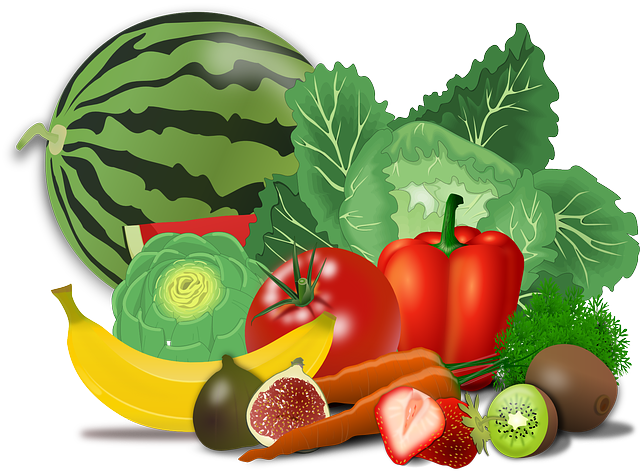
“A fibre-rich diet isn’t just fuel; it’s the foundation for a healthier you.”
Why Fibre is Essential
Dietary fibre is the part of plant-based foods that our bodies cannot fully digest. Instead, it passes through your system, doing wonders like regulating blood sugar levels, lowering cholesterol, and keeping your digestive tract healthy. There are two types of fibre:
- Soluble Fibre: Dissolves in water and helps reduce cholesterol and glucose levels.
- Insoluble Fibre: Adds bulk to stool and aids in smooth digestion.
“Eating fibre isn’t just a habit; it’s a lifestyle for sound health.”
Now that we understand its importance, let’s dive into the best sources of fibre.
1. Fruits
Nature’s candy, fruits, are a delicious way to boost your fibre intake. Some top contenders include:
- Apples (4.4g per medium apple): Perfect for a quick snack.
- Pears (5.5g per medium pear): Best enjoyed with the skin for maximum benefits.
- Berries: Raspberries (8g per cup) and blackberries (7.6g per cup) are fibre powerhouses.
2. Vegetables
You and I both know how vital vegetables are for a balanced diet. Fibre-rich options include:
- Broccoli (5g per cup, cooked): A versatile vegetable packed with vitamins.
- Carrots (3.6g per cup, raw): A crunchy addition to salads and snacks.
- Spinach (4g per cup, cooked): Ideal for soups and sautés.
3. Legumes
Legumes are affordable and nutritious. They’re staples in many diets for a reason:
- Lentils (15.6g per cup, cooked): Great for soups and stews.
- Chickpeas (12.5g per cup, cooked): Fantastic in hummus or salads.
- Black Beans (15g per cup, cooked): A delicious addition to burritos or rice bowls.
4. Whole Grains
Switching from refined grains to whole grains is a simple yet effective way to increase fibre.
- Oats (4g per cup, cooked): A comforting breakfast option.
- Quinoa (5.2g per cup, cooked): Gluten-free and versatile.
- Brown Rice (3.5g per cup, cooked): An excellent side dish for any meal.
5. Nuts and Seeds
Nuts and seeds aren’t just tasty; they’re also nutrient-dense.
- Chia Seeds (10g per ounce): Perfect for puddings and smoothies.
- Almonds (3.5g per ounce): A great snack option.
- Flaxseeds (2.8g per tablespoon): Ideal for sprinkling over cereals or yogurt.
6. Root Vegetables
Don’t forget root vegetables! These are excellent sources of fibre:
- Sweet Potatoes (3.8g per medium potato): Baked or mashed, they’re delightful.
- Beets (3.8g per cup, cooked): Known for their vibrant color and earthy flavor.
- Parsnips (5.6g per cup, cooked): Underrated but highly nutritious.
“A strong body begins with a strong diet—make fibre your best friend.”
Top Fibre Foods for a Healthier You
If you’re looking to improve your digestion, maintain a healthy weight, or simply boost your overall health, incorporating high-fibre foods into your diet is a game-changer. As someone who has been on a journey to better health, I’ve discovered how fibre can make a massive difference in how you feel and function daily. Let’s explore the top fibre-rich foods you should consider and why they matter.
Fibre-Rich Foods Table
| Food Type | Food Name | Fibre Amount (per cup) | Daily Recommended Intake (approx.) |
|---|---|---|---|
| Fruits | Apples | 4.4g (medium apple) | 25-38g |
| Pears | 5.5g (medium pear) | ||
| Raspberries | 8g | ||
| Blackberries | 7.6g | ||
| Vegetables | Broccoli | 5g (cooked) | |
| Carrots | 3.6g (raw) | ||
| Spinach | 4g (cooked) | ||
| Legumes | Lentils | 15.6g (cooked) | |
| Chickpeas | 12.5g (cooked) | ||
| Black Beans | 15g (cooked) | ||
| Whole Grains | Oats | 4g (cooked) | |
| Quinoa | 5.2g (cooked) | ||
| Brown Rice | 3.5g (cooked) | ||
| Nuts & Seeds | Chia Seeds | 10g (per ounce) | |
| Almonds | 3.5g (per ounce) | ||
| Flaxseeds | 2.8g (per tablespoon) | ||
| Root Vegetables | Sweet Potatoes | 3.8g (medium potato) | |
| Beets | 3.8g (cooked) | ||
| Parsnips | 5.6g (cooked) |
Tips to Include More Fibre in Your Diet
- Start Your Day Right: Begin with a fibre-packed breakfast like oatmeal topped with berries and chia seeds.
- Snack Smart: Swap chips for nuts, seeds, or raw veggies with hummus.
- Make Substitutions: Use whole-grain bread, pasta, and rice instead of refined versions.
- Hydrate: Fibre works best when paired with adequate water intake to keep things moving smoothly.
- Try Something New: Experiment with recipes featuring legumes, root vegetables, and grains.
A Healthier Path Forward
We all want to feel our best, and adding fibre to your diet is a simple step in the right direction. Remember, it’s not about perfection but progress. Start small—maybe with a new fruit or whole grain—and build from there.
If you’ve got your own favourite fibre-rich recipes or tips, I’d love to hear them. Let’s make health a journey we can all enjoy together.